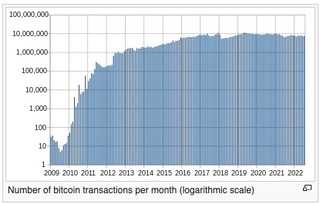
- 1998-2009 the prebitcoin years:
Although bitcoin was the first established cryptocurrency, there had been previous attempts at creating online currencies with ledgers secured by encryption. Two examples of these were b-money and bit gold, which were formulated but never fully developed.
- 2008-the mysterious satoshi nakamoto:
A white paper called a peer-to-peer electronic cash system was posted to a mailing list discussion on cryptography. It was posted by someone calling themselves satoshi nakamoto, whose real identity remains a mystery to this day.
- 2009 – bitcoin began:
The bitcoin software was made available to the public for the first time and mining (the process through which new bitcoins are created and transactions are recorded and verified on the blockchain) began.
- 2011 – rival cryptocurrencies emerged:
As bitcoin increases in popularity and the idea of decentralized and encrypted currencies catch on, the first alternative cryptocurrencies appeared. These were sometimes known as altcoins and generally tried to improve on the original bitcoin design by offering greater speed, anonymity or some other advantages. Among the first to emerge were namecoin and litecoin. Currently, there are over 1,000 cryptocurrencies in circulation with new ones frequently appearing.
- 2013 – bitcoin price crashed:
Shortly after the price of one bitcoin reached $1,000for the first time, the price quickly began to decline. Many who invested money at this point would have suffered losses as the price plummeted to around $300. It would be more than two years before it reached $1,000 again.
- 2014 – scams and theft:
Perhaps unsurprisingly for a currency designed with anonymity and lack of control in mind, bitcoin has proven to be an attractive and lucrative target for criminals. In January 2014, the world’s largest bitcoin exchange mt.Gox went offline and the owners of $850,000 bitcoins never saw them again. Investigations are still trying to get to the bottom of exactly what happened but whatever the story, someone dishonestly got their hands on a haul which was worth $450 million dollars at the time (3.5 billion today).
- 2016 – 2017 ethereum and ico’s:
One cryptocurrency came close to stealing bitcoin’s thunder that year as enthusiasm grew around the ethereum platform. This platform used cryptocurrency known as ether to facilitate blockchain-based smart contracts and apps. Etherium’s arrival was marked by the emergence of initial coin offerings (ico’s). These are fundraising platforms which offer investors the chance to trade what are often essentially stocks or shares in startup ventures, in the same manner that they can invest and trade cryptocurrencies. In the us the sec warned investors that due to the lack of oversight ico’s could easily be scams or ponzi schemes disguised as legitimate investments.
- 2017 – bitcoin reached $10,000 and continued to grow:
A gradual increase in the places where bitcoin could be spent contributed to its continued growth in popularity, during a period where its value remained below previous peaks. Gradually as more and more uses emerged, it became clear that more money was flowing into the bitcoin and crypto ecosystem. During this period the market cap of all cryptocurrencies rose from $11bn to its current height of over $300bn. Banks including barclays, citi bank, deutsche bank and bnp paribas have said they are investigating ways they might be able to work with bitcoin.
- 2018 – foreign expansion and increased legitimacy :
On 22 January 2018, South Korea brought in a regulation that requires all the bitcoin traders to reveal their identity, thus putting a ban on anonymous trading of bitcoins. On 24 January 2018, the online payment firm Stripe announced that it would phase out its support for bitcoin payments by late April 2018, citing declining demand, rising fees and longer transaction times as the reasons. On 25 January 2018, George Soros referred to bitcoin as a bubble.
- 2019 – difficult global market:
The dawn of 2019 found Bitcoin trading below the $4000 mark after a difficult year for the global crypto market. It climbed to just over $12,000 in July before.
- 2020 – foreign stock exchange legitimacy established:
On 2 July 2020, the Indian company 69 Shares started to quote a set of bitcoin exchange-traded products (ETP) on the Xetra trading system of the Deutsche Boerse. On September 1, 2020, the Wiener Börse listed its first 21 titles denominated in cryptocurrencies like bitcoin, including the services of real-time quotation and securities settlement. On 3 September 2020, the Frankfurt Stock Exchange admitted in its Regulated Market the quotation of the first bitcoin exchange-traded note (ETN), centrally cleared via Eurex Clearing. In October 2020, PayPal announced that it would allow its users to buy and sell bitcoin on its platform, although not to deposit or withdraw bitcoins.
- 2021 – tax payment legitimacy established:
From February 2021, the Swiss canton of Zug allows for tax payments in bitcoin and other cryptocurrencies. On 1 June 2021, El Salvador President Nayib Bukele announced his plans to adopt bitcoin as legal tender; this would render El Salvador the world’s first country to do so. On 8 June 2021, at the initiative of the president, pro-government deputies in the Legislative Assembly of El Salvador voted legislation—Ley Bitcoin or the Bitcoin Law—to make Bitcoin legal tender in the country alongside the US Dollar.
- 2022 – global events effect value:
Global economic factors that stemmed from Russia’s War in Ukraine negatively affected the price of Bitcoin. On April 22, 2022, its price fell back down below $40,000. It further dropped to as low as $26,970 in May after the collapse of Terra-Luna and its sister stablecoin, UST, in addition to a shedding of tech stocks. On 18 June, Bitcoin dropped below $18,000, to trade at levels beneath its 2017 highs.